
DEVONPORT
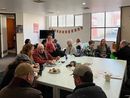
As part of its 2024 pilot, Rural Pride Australia came to Devonport, on the lands of the Palawa people, with a national mapping workshop held on Thursday27th June 2024 at Youth, Family & Community Connections(YFCC). Our thanks to Garry and the staff at YFCC for their support.
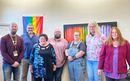
The workshop, delivered by Rural Pride Australia CEO, Daniel Witthaus, was attended by 12locals from Devonport and surrounds across the Huon Valley, with other conversations and interviews taking place before and after. The workshop included members of the NorthWest Pride committee, LGBTIQA+ community members and their allies, staff fromWorking It Out, Kentish Regional Clinic and Equality Tasmania, local education leaders and local health professionals.
It was particularly special for Rural Pride Australia’s CEO, Daniel Witthaus, that Rodney Croome was present for this workshop. Indeed, it was Rodney’s nation-wide travel, advocacy and framing of rural LGBTIQA+ life, as well as his mentoring and friendship, that helped inspire Daniel’s journey from local LGBTIQA+ work in Geelong to this national mapping project.
BURNIE
As part of its 2024 pilot, Rural Pride Australia came to Burnie, on the lands of the Palawa people, with a national mapping workshop held on Saturday 29th June 2024 at Working It Out(WIO), Burnie. Our thanks to Garry and the staff at WIO for their support.
The workshop was attended by 21 locals from Burnie and other parts of the North West, with other conversations and interviews taking place before and after. The workshop included members of the North West Pride committee, LGBTIQA+ community members and their allies, staff from Working It Out, local education leaders and local health professionals.
Before arriving in Devonport and Burnie, Rural Pride Australia was fortunate to talk with Kentish Regional Clinic (thanks Sharon andJo), Working It Out (thanks to Garry, Andrew, Liv and Simone-lisa), Equality Tasmania (thanks to Rodney and Rowan), TasPride (thanks to Phoebe) and SocialSolutions (thanks to Nairn).
DEVONPORT
When we asked what they love about living in Devonport and surrounds, participant answers included:
· The quiet trout fishing;
· This place literally saved my life; I found my tribes;
· I fell in love with Tassie after moving here for my mother; the proximity to the arts, the lovely walks;
· I’m grateful for the deep roots I have here;
· It’s nothing like Sydney, all this fresh air;
· I love the people and environment;
· When I came to Tasmania, it was something completely different;
· Everyone is so nice, everyone seems to mean well;
· I loved reconnecting with my family;
· Bushwalking and going up mountains that we didn’t do when we were in Hobart;
· Reconnecting with parts of my history;
· Family,and that everyone knows everyone;
· It’s beautiful; I have community, I have family;
· It’s laid back, even with some hiccups and troubles.
BURNIE
When we asked what they love about living in Burnie and other parts of the North West, participant answers included:
· It’s quiet, you don’t get disturbed;
· You can be a hermit, but not a hermit; it’s nice and peaceful; you can be social without overdoing it;
· The community I found; I found lovely people and didn’t want to leave;
· Being up here on country as a Sistergirl;
· It’s absolutely beautiful;
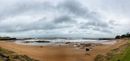
· Beautiful beaches;
· Clean air, good food, fresh water – I feel so much here;
· I love Tasmania, but not the community where I live;
· Love being on country, love to be here;
· It’s beautiful; you can be in town one minute and in the countryside the next;
· It’s quiet, I don’t like the hustle and bustle;
· The cold;
· I’ve loved every moment I’ve lived here;
· I’m better integrated than ever before (I’ve previously lived in Queensland); and,
· I love the country, it’s so beautiful here.
DEVONPORT
When we asked why it important for them to attend, participant answers included:
· to represent the North West Pride committee and encourage new supports;
· to network – I love it;
· to network and meet others;
· to support me and other buddies this way;
· to raise awareness and do better;
· to improve access to health services (and mapping health services will help that);
· to demonstrate it’s not necessary to leave rural communities for the big smoke, because sometimes wonderful things happen;
· to get together and talk; and,
· it’s good to know what the rest of the community is doing.
Using this pilot rating system, theoretically, Devonport would rate themselves a 45/100 at the time of the workshop. We want to check with key local stakeholders if this reflects where they believe their community to be. In other Tasmanian communities so far, some leaders have said:
“Well yeah, that’s about right. That’s where we are and we have more to do.”
BURNIE
When we asked why it important for them to attend, participant answers included:
· I was invited, and I’d like to network and contribute;
· This is an important thing to do, and could have policy implications;
· To support my community;
· I was curious;
· This needs as many intersections as possible (and I’m many of them as an older, First Nations Sistergirl);
· To make new connections;
· This seemed like a good space to be in;
· I came to listen and learn;
· It was important for me to come here because it’s Pride Month and also because Winter can be depressing;
· I’m very involved, that’s why I’m here, to keep up to date;
· To know what’s about;
· I’m here to support pride;
· To find out a little bit more about this project; and,
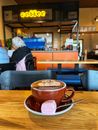
· I heard about it yesterday from Daniel at Pride Coffee in Ulverstone.
Using this pilot rating system, theoretically, Burnie and other parts of the North West would rate themselves a 35/100 at the time of the workshop. We want to check with key local stakeholders if this reflects where they believe their community to be.
DEVONPORT
83% of participants felt better about living in regional, rural and remote as an LGBTIQA+ person or ally as a result of this national mapping workshop. 17% of participants felt the same as before.
“I got a say, and provided some of my lived experience.”
“Because often I still feel very alone and these sessions remind me I’m not.”
“Great to have this mapped; it may help inform policy and funding – it’s inspiring.”
“I feel safer due to the space provided but can still feel worse at times due to my isolation.”
“I got a lot from hearing from others.”
BURNIE
58% of participants felt better about living in regional, rural and remote as an LGBTIQA+ person or ally as a result of this national mapping workshop. 36% of participants felt the same as before. 6% of participants were unsure, citing ongoing isolation for LGBTIQA+ communities.
“People are listening and hopefully it perpetuates positive change.”
“Great to have North West Tas included in this project and the opportunity to connect.”
“Safety could be improving.”
“The session created a sense of community because we share the same issues.”
“I feel the same.”
“There is potential for growth and it’s nice to find those with similar views.”
“No different for me as an individual but hoping this provides more evidence for funding and supports for LGBTIQA+people, such as policy change.”
“hearing others speak of their struggles and successes, and being able to compare and relate to their experiences.”
“A bit better. I feel more hopeful after interacting and listening to others.”
“Feeling better connected by coming to sessions like this.”
“No change for me, but I had a safe space to be me and share my story.”
“To know there are other people within the community who also have concerns, or knowledge they can share. To meet new people within the community.”
This national demonstration project is mapping three communities in every state and territory, road-testing five community factors identified by LGBTIQA+ people in regional, rural and remote areas: visibility, safety, inclusion, diversity & intersectionality, and community cohesion. We’re also trialling a five-level rating scale designed to be used by local LGBTIQA+ people (not outsiders), from No Evidence Yet through to Living the RRR LGBTIQA+ Dream. After small group discussions, the group agreed on a draft set of ratings.
DEVONPORT
Most participants thanked Rural Pride Australia for this work and for coming to Devonport. We thank everyone for taking a risk, turning up for their local LGBTIQA+community and investing their time on a demonstration project in its early stages.
“Amazing project and absolutely necessary. What a pleasure to meet you Daniel and everyone.”
“I look forward to seeing the project evolve.”
“Love your work Daniel, thank you.”
Thank you Devonport.
BURNIE
Many thanked Rural Pride Australia for this work and for coming to Burnie and the North West. We thank everyone for taking a risk, turning up for their local LGBTIQA+ community and investing their time on a demonstration project in its early stages.
“A great project – can’t wait to see the outcomes and working on how we can do better. Thank you.”
“Thank you Dan. It’s great to have an opportunity to be heard safely, and to step out.”
“Looking forward to the next session.”
“The presentation was excellent. Daniel, well done!”
“I feel grateful to have this opportunity.”
“Daniel was very welcoming and easy to listen to.”
Thank you, Burnie and the North West.
Rural Pride Australia shared a report back to these communities for feedback, and committed to publishing these pilot community results on our website.
We'll check in with them periodically to see what is the same, what’s changed and what else can be added to what we’ve collected. We’ll also update locals on what we’ve found in other communities too!